
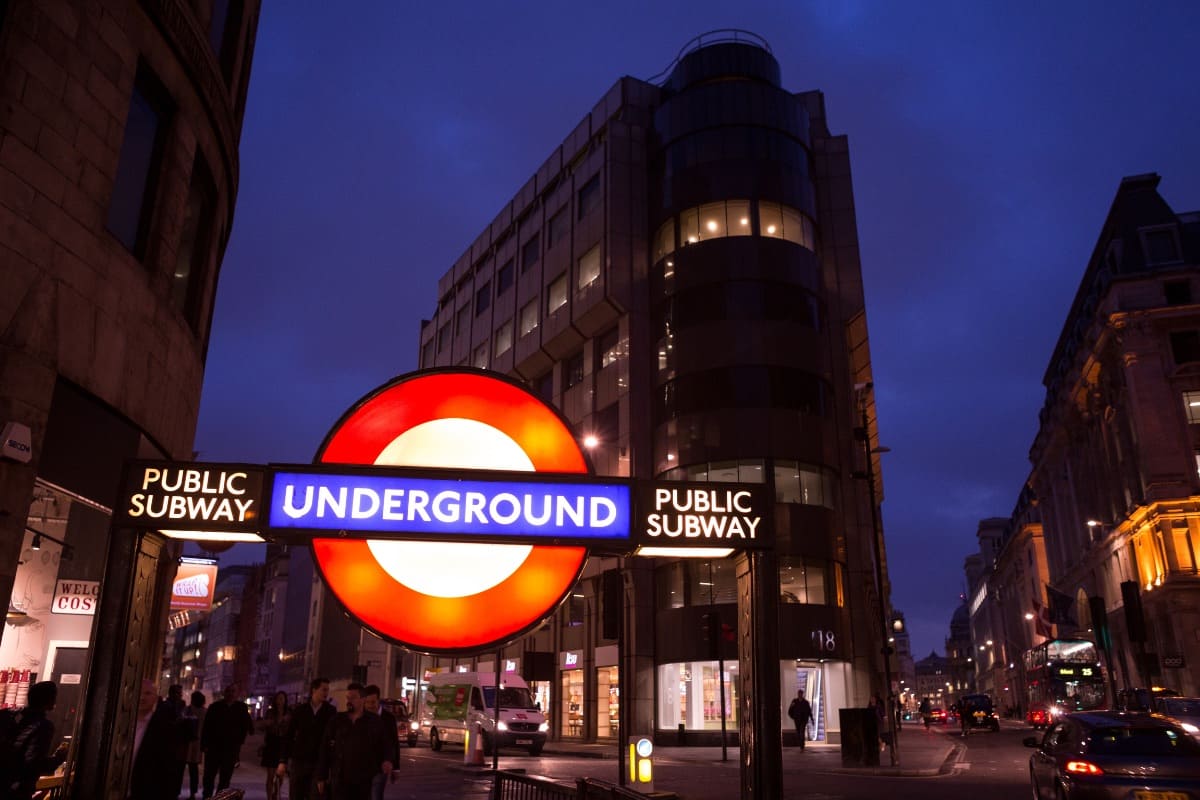
The first 24-hour walkout is scheduled to begin at midday on 26 November, with seven further strikes planned through February 2027.
London Underground passengers face widespread disruption from Thursday as members of the Rail, Maritime and Transport union (RMT) prepare to begin a series of strikes over proposed changes to drivers’ working arrangements.
The first walkout is due to start at 12pm on 26 November and continue until 11.59am on Friday. Seven further 24-hour strikes have been announced between December and February.
Transport for London (TfL) and union representatives are scheduled to hold last-minute talks on Tuesday in an attempt to avert the industrial action. The RMT previously suspended planned strikes in March and May following progress in negotiations, but no agreement has yet been announced.
Strike dates
The planned walkouts are as follows:
- November: 26–27 November
- December: 17–18 December and 19–20 December
- January: 4–5 January and 6–7 January
- February: 17–18 February, 23–24 February and 25–26 February
Each strike is scheduled to begin at midday on the first day and end just before noon the following day.
Which services will be affected?
The strikes are expected to disrupt all London Underground lines, although TfL says trains are likely to operate on most routes. The transport authority has not yet provided details of expected service levels.
The Elizabeth line, DLR, London Overground, buses and trams are expected to run normally, but could be busier than usual as passengers seek alternative routes.
TfL has advised travellers to plan ahead, check live service updates and allow extra time for their journeys.
Why are Tube drivers striking?
The dispute centres on plans to introduce a voluntary four-day working week for Tube drivers. The RMT argues that the proposed arrangements could lead to longer shifts, earlier starts, later finishes and increased time spent driving trains. It also fears the changes could pave the way for hundreds of job losses.
RMT general secretary Eddie Dempsey said the union was not opposed to a genuine four-day week but would reject changes that weakened existing employment protections or increased workloads.
The train drivers’ union Aslef, however, supports the proposal, saying it would give drivers an additional 35 days off annually, based on a 34-hour working week. It argues that employees who prefer to retain a five-day schedule would be able to do so without disadvantage.
TfL says it has revised its proposals following discussions with unions. Nick Dent, London Underground’s director of customer operations, said drivers would be able to remain on a five-day week while staying at their existing depots.
The dispute remains unresolved ahead of Thursday’s planned walkout.






Be First to Comment