

A historic Chilean sheep ranch is offering visitors a different way to experience Patagonia, combining traditional herding, puma conservation, outdoor adventures and fine dining.
In Chilean Patagonia, Estancia Cerro Guido is redefining the traditional ranch experience by bringing livestock farming, wildlife conservation and luxury tourism under one roof.
Located around 65 miles north of Puerto Natales, the 264,400-acre property lies close to Torres del Paine National Park. Once known for its conflict with pumas, the ranch has developed a tourism model that allows visitors to experience traditional Patagonian life while learning about efforts to protect its wildlife.
The transformation began in 2019, when the Matetic and Simunovic families decided to expand the property’s role beyond sheep and cattle farming. Today, around two dozen baqueanos — traditional horsemen and livestock herders — look after approximately 18,600 sheep and 1,800 cattle. A hotel with 21 rooms offers guests a comfortable base for exploring the surrounding wilderness.
From puma hunting to conservation
For generations, sheep farming in Patagonia has been shaped by conflict with pumas, the region’s main predators. As livestock losses mounted, ranches employed professional hunters to kill the animals. Puma hunting remained legal in Chile until the 1980s.
Estancia Cerro Guido has since adopted a different approach. The Cerro Guido Conservation Foundation, established in 2019, introduced Maremma livestock guardian dogs to protect flocks from predators. The initiative trained 25 dogs, helping reduce puma attacks by 51 percent.
Visitors can join conservation tours to explore the ranch’s protected areas, observe wildlife and learn how camera traps and field monitoring help track pumas. Although sightings are not guaranteed, guests may encounter guanacos, condors, eagles and ñandús.
The ranch also offers horseback riding, sheep herding, archaeological excursions and hikes to sites featuring ancient rock art and fossilised wood. Guests can take part in seasonal activities such as sheep shearing.
Traditional Patagonian flavours
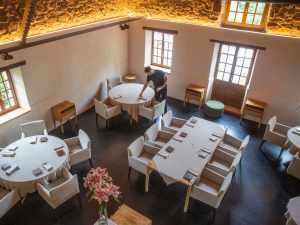
Food is another central part of the experience. Head chef Claudio Fourcade has built the restaurant’s menus around the culinary traditions of ranch culture, with smoking, curing, salting and fermentation at the heart of his approach.
The kitchen grows its own fruit, root vegetables and herbs, while meat is smoked in a dedicated cabin using fruitwood. Daily menus feature dishes such as smoked sausage and lentil soup, seafood and pork stew, lamb chops and honey-glazed smoked ribs.
Meals are paired with biodynamic wines from the Matetic family’s vineyards. Guests can also try cocktails made with locally grown berries and plants. Traditional barbecue dinners, including spit-roasted lamb, are served twice a week.
The result is a tourism experience that combines the working life of a Patagonian ranch with high-end hospitality, while placing wildlife protection and the region’s cultural heritage at its centre.





Be First to Comment