
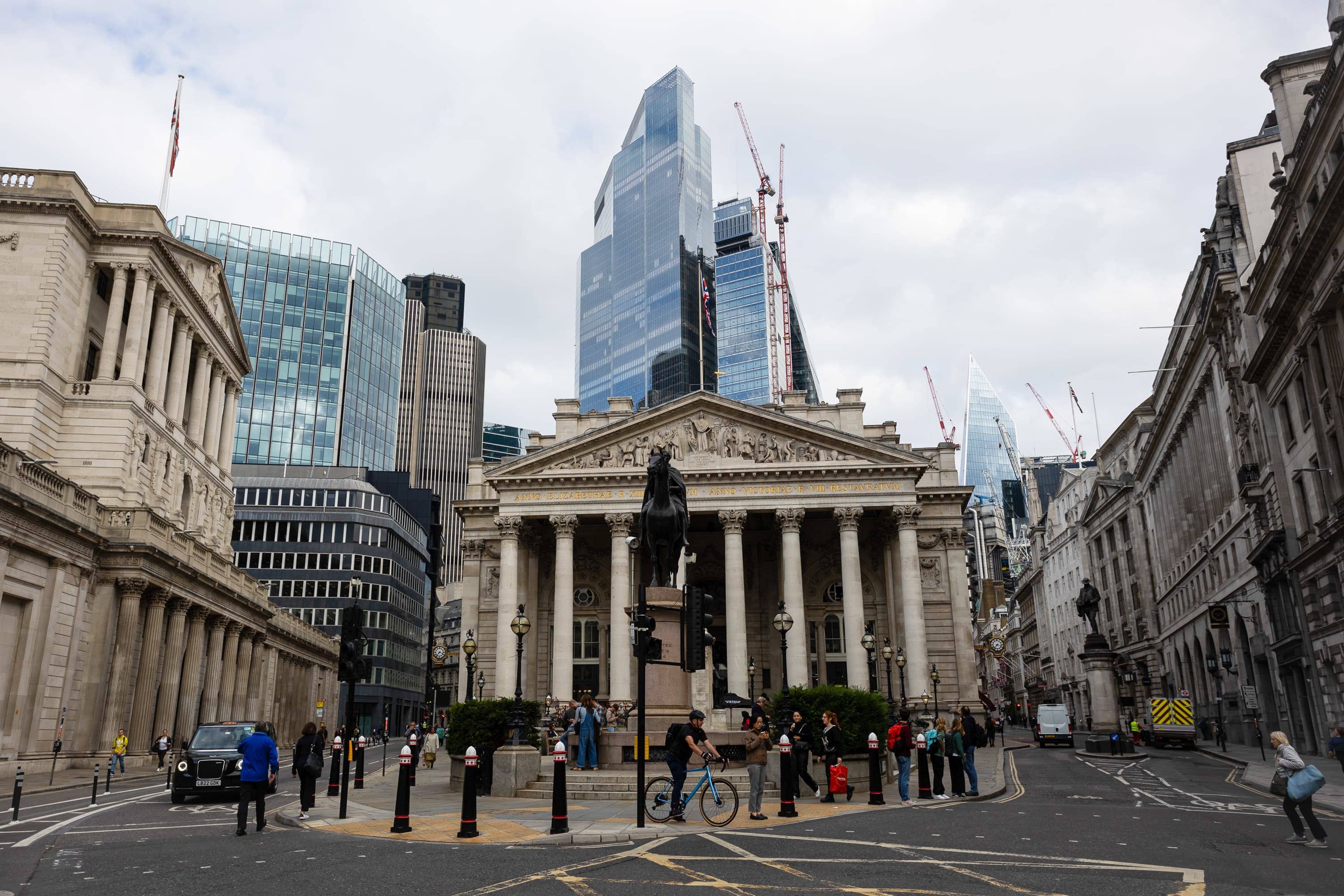
The Bank of England has raised its benchmark interest rate for the first time in three years, warning that the prolonged conflict in the Middle East is driving up energy costs and could push inflation to around 5% by mid-2027.
The Monetary Policy Committee (MPC) increased the Bank Rate from 3.75% to 4%, its first hike since August 2023. The decision comes as higher oil and gas prices add to pressure on British households and businesses.
Governor Andrew Bailey warned that the increase should not necessarily be seen as a one-off move. He said a further quarter-point rise could be justified if the conflict continues and inflationary pressures persist.
“I’m not going to sign up to the two-and-done point,” Bailey said, rejecting suggestions that households would face only two rate increases as a result of the war.
Further rate hike possible before Christmas
Financial markets increased their bets on another rate rise in December after Bailey indicated that further tightening could be necessary. Traders put the probability of a second consecutive increase at around 53%.
The MPC was divided over the scale of the response. Chief economist Huw Pill and external members Catherine Mann and Megan Greene signalled that rates might need to rise further. Mann called for a larger increase to 4.25%, while Pill said the latest move might not be enough to contain inflation.
At the other end of the debate, Swati Dhingra indicated that she could support rate cuts unless there was clear evidence of stronger price and wage pressures.
Mortgage costs and household incomes under pressure
The Bank warned that the economic consequences of the conflict would extend well beyond energy bills. Average annual mortgage payments are projected to be around £1,500 higher by the end of 2029 than before the conflict began.
The energy price cap is also expected to increase by more than £400 to approximately £2,150 in January, despite the government’s £100 payment to households.
The Bank now forecasts that real post-tax labour income will fall by 0.1% this year and 0.6% in 2027. Its previous projections had anticipated an improvement in living standards.
Food price inflation, currently at 1.3%, is also expected to accelerate, potentially reaching 4.75% by mid-2027 as energy and commodity costs feed through to supermarket prices.
Inflation could reach 6.2% in worst-case scenario
The Bank’s central forecast sees inflation peaking at around 5% before falling below its 2% target by the end of 2029. Under a more adverse scenario, however, inflation could reach 6.2% and remain above 4% throughout next year.
Bailey said there was so far limited evidence that higher energy costs were spreading across other sectors of the economy, although businesses were absorbing some of the pressure through lower profit margins and cost reductions.
He added that the recent decline in oil and gas prices was welcome but would not have changed Thursday’s decision, as inflationary pressures were already building.
The Governor said the most effective way to limit the economic damage would be to end the conflict in the Middle East. “Monetary policy cannot tackle the source of the problem,” he said, stressing that the outlook for inflation would depend heavily on developments in energy markets.
Despite the inflation risks, Bailey noted that investment in artificial intelligence had supported British economic activity, accounting for around a fifth of recent GDP growth, according to the Bank’s estimates.





Be First to Comment