

Russia, Saudi Arabia and Australia have been identified as the world’s largest exporters of carbon emissions from fossil fuels since 1850, according to a new analysis that measures emissions based on where coal, oil and gas are extracted rather than where they are burned.
The study, conducted by Carbon Brief and reported by The Guardian, estimates that Russia’s fossil fuel exports have generated nearly 70 gigatonnes of CO2 emissions by the end of 2025. Saudi Arabia ranks second with approximately 60 gigatonnes, while Australia is third with more than 25 gigatonnes, narrowly ahead of Venezuela.
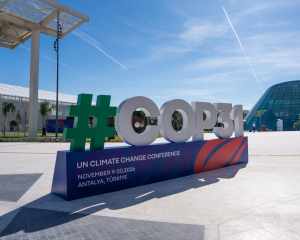
The findings come as Australia co-presides over COP31 in Türkiye. Fossil fuels account for around 40% of the country’s export economy, but Canberra has yet to set a deadline for ending their extraction or exports.
Louise Hutchins, convenor of the Make Polluters Pay International Coalition, said the figures highlighted contradictions in international climate negotiations. She argued that countries that had accumulated wealth through fossil fuel exports should contribute more towards addressing climate damage, pointing to Australia’s role in climate finance discussions despite its continued reliance on coal and gas exports.
Debate over responsibility intensifies at COP31
Unlike conventional emissions assessments, which attribute CO2 to the country where fossil fuels are consumed, the Carbon Brief analysis assigns responsibility to the country where the resources are extracted. The distinction changes the historical picture of global emissions, particularly for major exporters.
However, the analysis also shows that the US and China remain more responsible for historical emissions overall than Russia, Saudi Arabia and Australia, as both countries have also burned substantial quantities of their own fossil fuel resources.
The findings add to tensions at COP31, where negotiations over the transition away from fossil fuels remain contentious. Australia has included a call for an “immediate transition away from fossil fuels in energy systems” in its first draft of a possible summit outcome. However, Saudi Arabia, Russia and other countries have resisted stronger language, raising doubts over whether the proposal will survive in the final text.
Separate research by Climate Analytics has also questioned Australia’s climate commitments, finding that the country continues to approve coal mines expected to operate until 2088, decades beyond the global net-zero target around mid-century.
Climate Analytics chief executive Bill Hare said Australia’s support for climate ambition internationally was at odds with its plans to expand fossil fuel production.
Saudi Arabia rejected the attribution of emissions from exported oil to the producing country. A representative of its energy ministry argued that importing countries decide how the fuel is used and how resulting emissions are managed. The ministry also said Saudi Arabia was working to reduce the carbon and methane intensity of its oil and gas operations.
Australia and Russia were approached for comment.





Be First to Comment