
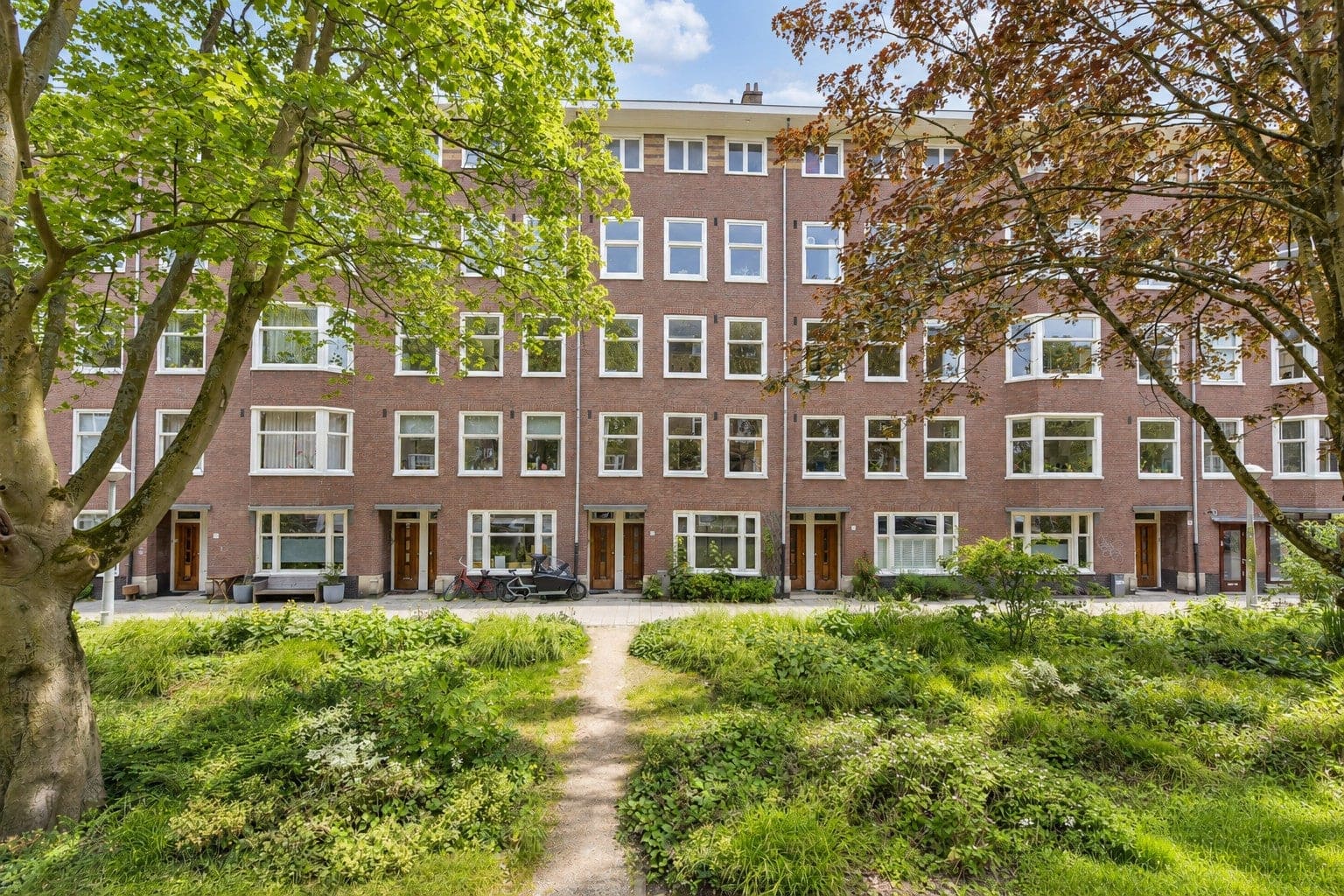
Tenants can make small improvements to reduce energy bills, but larger upgrades such as insulation, new windows and solar panels generally require the landlord’s approval. With new rules set to restrict the letting of poorly insulated homes from 2029, renters have several ways to push for change.
Government subsidies for home energy improvements have proved popular among homeowners in the Netherlands. But a scheme designed to help landlords upgrade rental properties remains largely unused, with around 70 per cent of its funding still available four years after its launch.
The result is that many tenants continue to live in poorly insulated homes, facing cold rooms and high energy bills.
Start with low-cost improvements
Simone Tresoor, a housing sustainability expert at the Knowledge Centre for Sustainable Living, recommends starting with relatively inexpensive measures such as radiator foil and draught excluders.
Water-saving showerheads and radiator fans can also help reduce energy consumption. Removing decorative radiator covers is another simple step, as they can prevent heat from circulating properly.
These measures may save tenants several dozen euros a month, but Tresoor says they offer only limited improvements compared with major insulation work.
Getting landlords on board
Larger projects, including cavity-wall insulation, solar panels and replacement windows, require the landlord’s permission.
Mathijs ten Broeke, a spokesperson for the Dutch tenants’ association Woonbond, recommends starting with a friendly email. Tenants should ask whether improvements are already planned, suggest specific measures and highlight subsidies available to landlords.
He also points to new building regulations that are due to take effect on January 1, 2029. Under the rules, rental properties with energy labels E, F or G will no longer be eligible for letting.
Tenants can use the deadline to underline the need for improvements, although uncertainty remains over how municipalities will enforce the requirements and what penalties landlords could face.
Legal options for tenants
If a landlord refuses to act, tenants may be able to pursue the matter through legal channels. The first step is to establish whether the property has a defect, such as severely inadequate insulation or windows that allow draughts.
Depending on the circumstances, tenants can seek enforcement through the district court or the Rent Tribunal. However, access to the Rent Tribunal is limited for many private-sector tenants. The Dutch Legal Aid Desk also offers free advice to people whose income falls below its eligibility threshold.
Another option is the tenant’s right of initiative, which allows renters to submit their own renovation proposals. Landlords must assess these requests reasonably and cannot simply dismiss them without valid grounds.
Could improvements mean higher rent?
One concern for tenants is that landlords may increase rents after carrying out energy-efficiency upgrades. Any increase must be proportionate to the investment, and there are limits on how much additional rent can be charged.
However, lower energy bills may offset some or all of the increase, Tresoor says.
She recommends following the same order used in owner-occupied homes: improve insulation before investing in heat pumps or solar panels. Cavity-wall insulation is relatively affordable, while new glazing and roof or floor insulation can deliver greater savings, although they involve more extensive work.
Tenants can draw up an improvement plan using the Knowledge Centre for Sustainable Living’s online tool at verbeterjehuis.nl. Woonbond members can also seek advice through its tenants’ helpline.
Working collectively can make the process easier. Tenants who coordinate through a residents’ committee, for example, can approach landlords with a shared proposal rather than making separate requests.
Uncertainty over enforcement
Housing experts say landlords should ideally take the initiative themselves. Some already do, although tenants occasionally resist improvements because they fear rent increases or disruption from renovation work.
Ten Broeke stresses that tenants retain the right to refuse proposed work, including when their landlord is a housing association.
The rules scheduled for 2029 are intended to accelerate improvements, but it remains unclear how effectively municipalities will monitor compliance. The Association of Netherlands Municipalities says it does not yet have a clear picture of the enforcement arrangements or the resources available for inspections.
For tenants and landlords alike, that uncertainty makes it harder to plan ahead.





Be First to Comment