
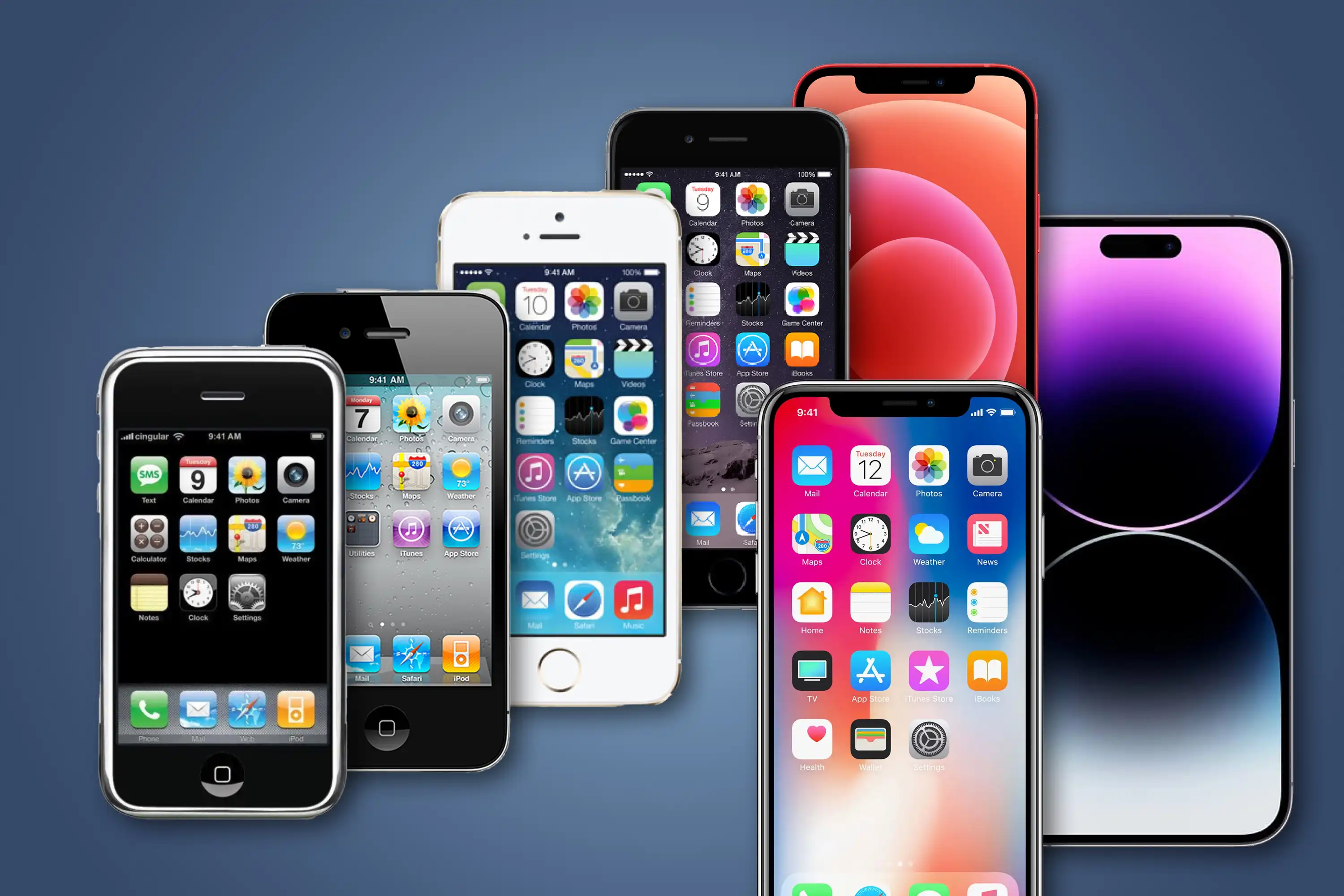
Apple has excluded more than 100,000 words and phrases from its predictive text system, limiting the terms suggested to users as they type on their iPhones. The restrictions vary across languages and political contexts, with an independent researcher describing the practice as a form of “light censorship”.
Phrases such as “Dictator Trump”, “Tibetan independence”, “Covid was a hoax” and “homosexuality is a sin” are among those that Apple’s system will not suggest. Users attempting to enter them through the iPhone’s swipe-to-type function may find that the keyboard simply refuses to recognise the phrases. They can still type the words manually, letter by letter.
The restrictions also apply to Apple’s AI-powered predictive text feature, which suggests the next word as users write. The system is designed to make typing faster and improve the flow of written communication.
The findings come from research by Derik Kauffman, an independent internet researcher, who identified a so-called “greylist” containing more than 100,000 words and expressions that Apple’s predictive text system does not support. Many of the same terms are also unavailable through swipe typing.
No clear political pattern in English
Kauffman’s research examined several languages. An initial review of the English-language list revealed no obvious political bias. Instead, the restrictions appear to cover expressions likely to provoke controversy across different ideological positions.
For example, neither “homosexuality is a sin” nor “support gays” is supported. The same applies to “Muslim extremist” and “Make America Great Again”. Phrases such as “sleepy Joe” and “Dictator Trump” are also excluded, alongside more widely condemned expressions such as “Heil Hitler”.
The findings highlight the growing influence of automated writing tools on everyday communication. As AI-powered keyboards increasingly shape how people compose messages, decisions about which words are suggested — and which are not — can affect the way users express themselves.
Restrictions differ across languages
The political dimension becomes more apparent in other languages, particularly Arabic and Hebrew.
In Arabic, neither “the Hamas movement” nor “Israeli aggression” is supported by predictive text. The restrictions also cover references to American, Israeli, Saudi and Iranian “occupation”. In total, 186 Arabic words and phrases are excluded from the system.
The Hebrew list is considerably shorter. Almost all expressions are supported, with the exception of references to “the occupied territories” and four other phrases, including “porn film”.
“This is a very light form of censorship,” Kauffman told Reuters. “But given the scale at which Apple operates, only a light intervention is needed to have a major impact.”
One final phrase appears to have been excluded for a rather different reason: users trying to type “iMessage not working” in English will have to enter it manually, rather than relying on Apple’s predictive text system.





Be First to Comment