
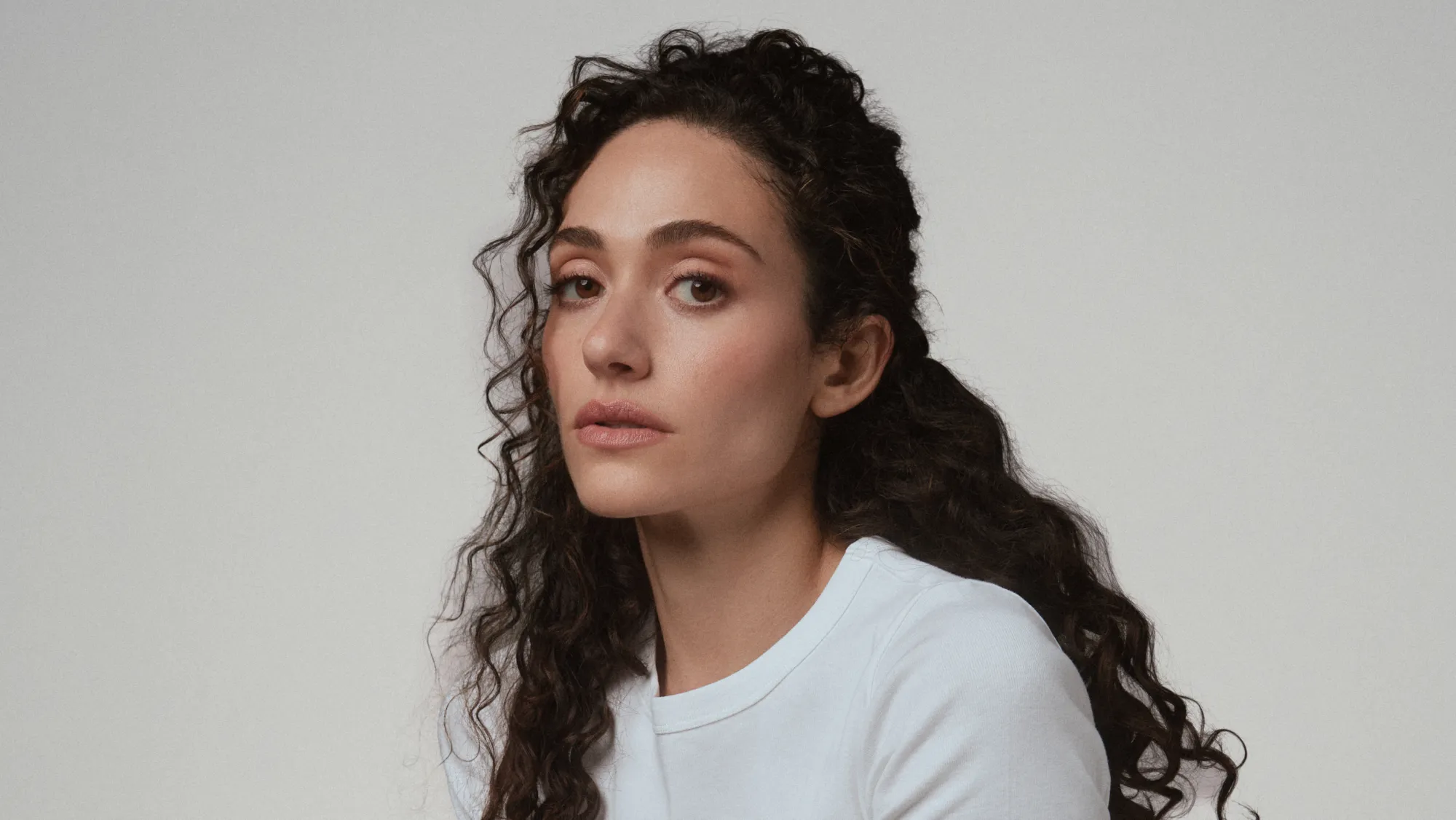
Actress and producer Emmy Rossum says television can help challenge social perceptions and give a voice to women affected by violence. In her new series Furious, she plays an FBI agent confronting both the failures of the justice system and the personal consequences of abuse.
After three decades in the industry, Rossum says her enthusiasm for acting and storytelling remains undiminished. The 40-year-old New York-born actress, who began performing at the age of seven, has expanded her work into producing and developing projects that reflect the stories she wants to see on screen.
Her latest project, Furious, premiered on Disney+ in July and has emerged as one of the season’s breakout series. Rossum plays Alice, a former police officer who joins the FBI and pursues a young killer across New York. At the same time, she is dealing with the aftermath of an abusive relationship with a police officer and trying to establish herself in a department where she is largely unwelcome.
Created and written by Elizabeth Meriwether, the series explores the relationships between three women from different generations: Alice, her supervisor Nora, and Catherine, the young killer. Rossum describes Meriwether as the creative force behind the project, joking that she herself is “the caffeine”.
Exploring the aftermath of violence
The idea for the series grew out of Rossum’s search for a project that would explore contemporary women’s experiences in greater depth. After leaving Shameless, where she played Fiona Gallagher for nearly a decade, she wanted to develop a story centred on women’s relationships and the power dynamics between them.
An earlier film, Black Widow, starring Debra Winger and Theresa Russell, helped inspire the concept. Rossum was particularly interested in its portrayal of two women who initially appear to be opponents but develop an unexpected connection.
To give Furious a realistic foundation, the production team consulted psychologists, FBI agents, law enforcement professionals and survivors of human trafficking. Survivors spoke with the writers, and transcripts of those conversations were shared with the cast as research material.
Rossum says the experience helped the team approach the subject with greater sensitivity. She believes television and film can contribute to public debate when they combine entertainment with meaningful and truthful storytelling.
“When art is both entertaining, meaningful and truthful, it can shape conversation in society and make us feel less alone,” she says.
She is particularly interested in the decision not to depict violence against women directly, but instead to explore its aftermath and the anger it can leave behind. That emotional response is reflected in all three central characters, she says.
Rejecting the image of perfection
Rossum also pushed for a deliberately unpolished appearance for Alice. The character is frequently exhausted, sleep-deprived and dishevelled, with little attention paid to conventional screen glamour.
The actress underwent physical training for the role and worked with the production team to ensure that Alice’s appearance reflected her emotional state. Her wardrobe was similarly restrained, with clothes designed to convey a woman reluctant to let others get close.
For Rossum, this approach was part of a wider effort to show women without artificial perfection. She argues that female characters should be allowed to appear as they are, without digital alterations, cosmetic enhancements or the pressure to look younger.
“Showing the wholeness of who we are is very impactful,” she says, questioning the idealised images of women that dominate popular culture.
The series also examines the limitations of the justice system. Its characters confront crimes that have remained unresolved for years, while the people working within law enforcement struggle with the gap between the system’s promises and its results.
Rossum says the process of obtaining justice can be long and that it does not always deliver the outcome victims expect. Those frustrations, she adds, are particularly significant for women and people of colour.
Beyond acting, Rossum sees producing as another way to express women’s creative power. Having spent most of her life telling stories, she says creating projects of her own is a natural extension of that ambition.






Be First to Comment