
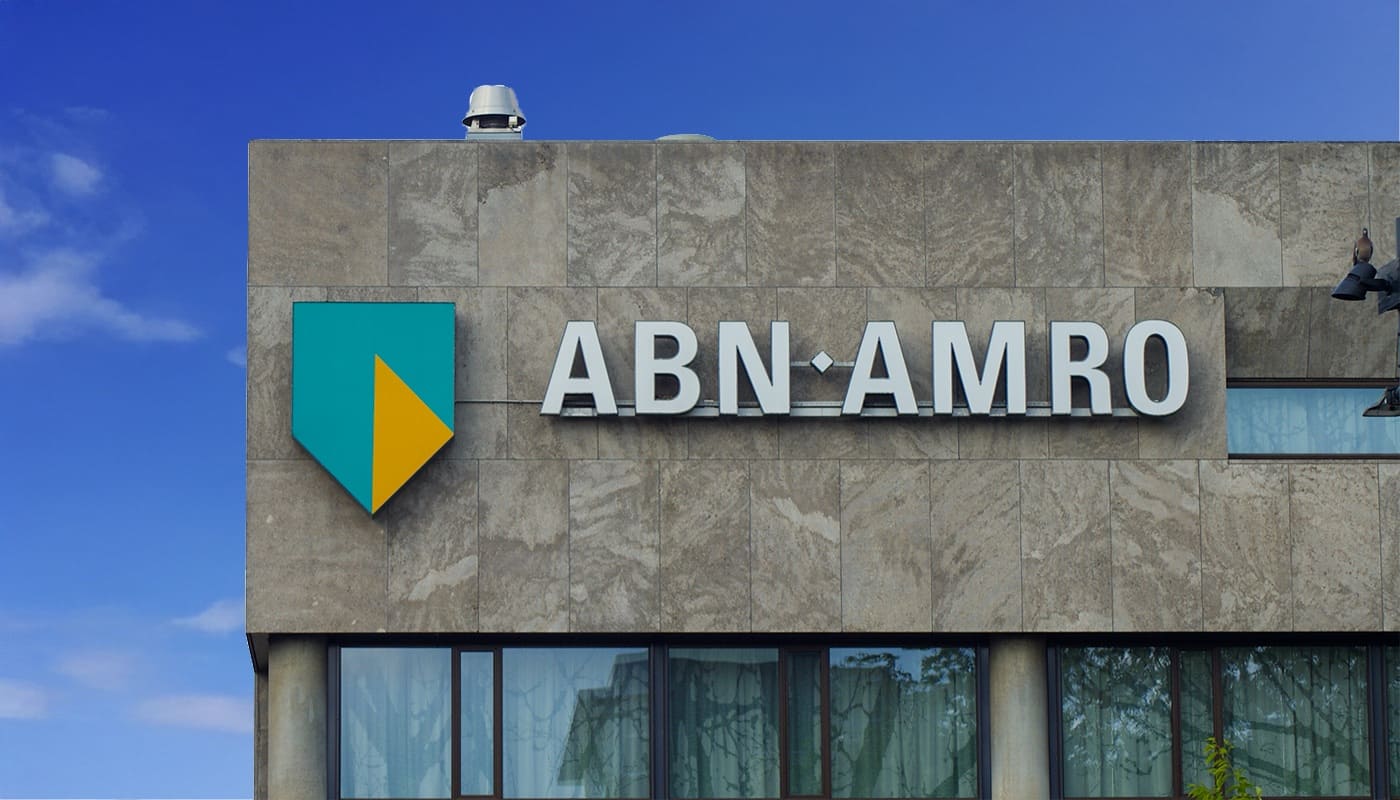
Around 380 employees marched through Amsterdam’s financial district demanding higher wages and opposing plans to require staff to work from the office at least half the time. The strike marked the bank’s first industrial action in 40 years.
ABN Amro employees staged a strike in Amsterdam’s Zuidas financial district, calling for better pay and greater flexibility over remote working, as tensions rise over the bank’s restructuring plans and proposed changes to its workplace policy.
Around 380 employees took part in a march from Gustav Mahlerplein, protesting against the bank’s latest wage offer of 1.5% per year. The action came on the same day ABN Amro reported a 52% increase in quarterly profit to €940 million, prompting criticism from staff over the gap between the bank’s financial performance and its pay proposal.
The wage offer also falls below the bank economists’ own inflation forecast of 4%, according to the report. Union representatives argued that employees were facing increasing workloads and declining purchasing power despite strong financial results.
Job cuts and AI concerns
Staff also raised concerns about job security amid an ongoing restructuring programme led by CEO Marguerite Bérard. The bank plans to cut more than 5,000 jobs by 2028, equivalent to around one-fifth of its workforce. Approximately half of the planned reductions have already been implemented.
Employees working in customer service and technology departments are particularly concerned about the impact of automation and artificial intelligence. One employee involved in training the bank’s AI chatbot said she was effectively helping to develop technology that could eventually replace her own role.
Dispute over remote working
The proposed return-to-office requirement has become another major point of contention. ABN Amro wants to include a provision in its new collective labour agreement requiring employees to spend at least 50% of their working time in the office.
Some employees say they relocated during the pandemic based on the bank’s flexible remote-working policy and would face significantly longer commutes under the proposed arrangement.
The bank’s management argues that physical attendance is important for collaboration, knowledge sharing, innovation and mentoring younger employees.
However, some staff question whether increased office attendance would improve productivity, particularly in workplaces where employees spend much of the day attending video meetings.
The strike highlights growing tensions between management and employees over pay, job security and working arrangements as ABN Amro continues to restructure its operations.





Be First to Comment