
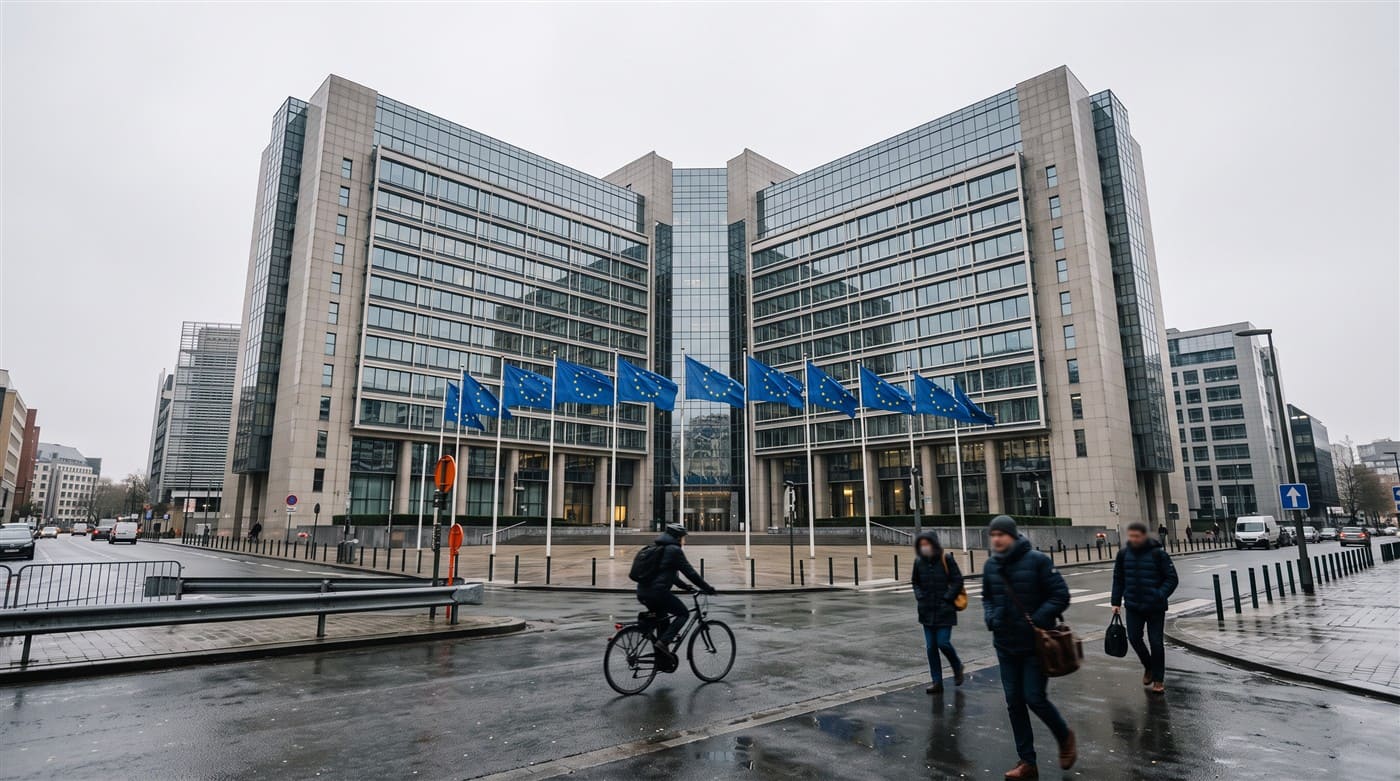
The proposed Digital Fairness Act would allow users to disable features such as autoplay and app streaks, require influencers to disclose paid promotions and make digital subscriptions easier to cancel
The European Commission has unveiled a package of consumer protection reforms aimed at tackling harmful digital practices, including manipulative online designs, hidden advertising and personalised pricing.
At the centre of the proposals is the Digital Fairness Act, which seeks to strengthen consumer rights across the European Union and address practices that influence users’ online behaviour without their knowledge.
The proposed rules would ban so-called “dark patterns”, such as misleading scarcity messages designed to pressure consumers into making purchases. They would also restrict dynamic pricing by ticket retailers, require influencers to disclose paid promotions and prohibit personalised advertising and pricing targeting minors or exploiting sensitive personal data.
The legislation would also make digital subscriptions easier to cancel and give consumers the right to speak to a human customer service representative.
Another key measure would allow users to switch off addictive design features, including autoplay and streak systems used by platforms and apps such as Duolingo and Strava.
New rules to complement existing EU legislation
Michael McGrath, the European Commissioner for Democracy, Justice, the Rule of Law and Consumer Protection, described the package as the most significant reform of EU consumer protection rules in more than 20 years.
He said existing legislation had been developed before the rapid expansion of e-commerce, the attention economy and the use of personal data for marketing.
“The Digital Fairness Act will make sure the digital economy works for consumers and not against them,” McGrath said.
The proposals build on existing EU efforts to protect users from addictive digital services. While some restrictions currently apply to children under the bloc’s Kids Act, the new framework would extend protections to all consumers.
European Commission President Ursula von der Leyen has previously argued that addictive design poses risks beyond minors and called for a broader regulatory framework.
The proposals would also complement the Digital Services Act (DSA), the Digital Markets Act and the AI Act rather than duplicate their provisions.
Stronger enforcement and penalties
The Commission is also seeking to strengthen cross-border enforcement and give regulators greater powers to investigate practices with a large-scale impact on consumers.
Under the proposed framework, companies could face fines of up to 6% of their worldwide annual turnover. Non-EU companies would also be required to appoint a legal representative within the bloc to cooperate with authorities.
The Commission said the package would help simplify consumer protection rules across the EU’s 27 member states and establish a stronger framework for consumers in the digital economy.






Be First to Comment