
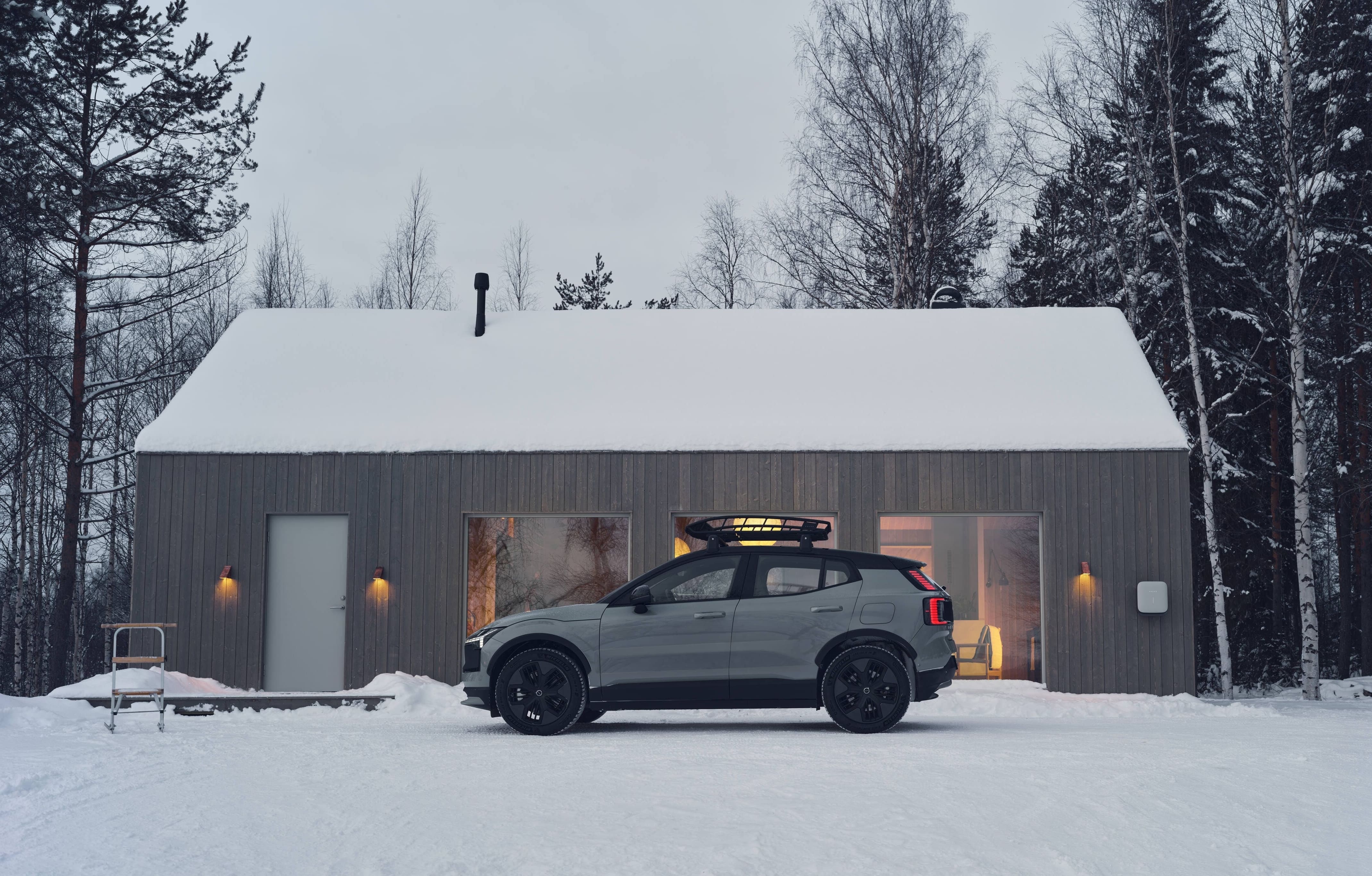
Volvo is preparing to reposition itself as a premium carmaker while drawing on its century-long design heritage, as it faces growing competition from Chinese electric-vehicle manufacturers and uncertainty over Europe’s transition to electric mobility.
In an interview with Monocle, Volvo chief design officer Thomas Ingenlath said the Swedish carmaker must build on its history and established values to secure its future. “We need to deliver history and culture,” he said, describing the company’s heritage as a key advantage in an increasingly competitive global market.
The Gothenburg-based manufacturer, which has been majority-owned by China’s Geely since 2010, will mark its 100th anniversary next year. It plans to introduce 13 new models as part of its centenary programme.
Ingenlath, who previously served as chief executive of Geely-owned Polestar, returned to Volvo this year alongside CEO Håkan Samuelsson. His priorities include strengthening the brand’s premium positioning, maintaining its Swedish identity and advancing its electrification strategy.
“We have to go premium,” Ingenlath told Monocle. He pointed to the XC90, launched more than a decade ago, as a turning point in how Volvo was perceived, particularly in the US, where the model helped establish the brand as a prestige name.
Volvo had previously set a target of becoming an all-electric carmaker by 2030, but has since revised its ambition. The company now aims for more than 90 per cent of its sales to come from fully electric and plug-in hybrid vehicles by the end of the decade.
Ingenlath also highlighted the design challenges created by electrification. With electric vehicles requiring less cooling than combustion-engine cars, many manufacturers have moved away from traditional front grilles. He said this risks removing a defining feature of a car’s visual identity, adding that Volvo is working on a new design direction to be unveiled during its centenary year.
Despite its Chinese ownership, Volvo continues to regard Gothenburg as the centre of its identity and operations. The city remains home to its largest production facility, while the company’s Swedish safety expertise has also influenced Geely’s development work in China.
As the interview concludes at a warehouse housing around 300 vehicles from Volvo’s history, Ingenlath emphasises the importance of preserving the company’s legacy while adapting to a changing industry.
“We have to fight for our existence,” he said. “This is a 100-year-old company with incredible values. I would love that to continue in the next century.”




Be First to Comment