
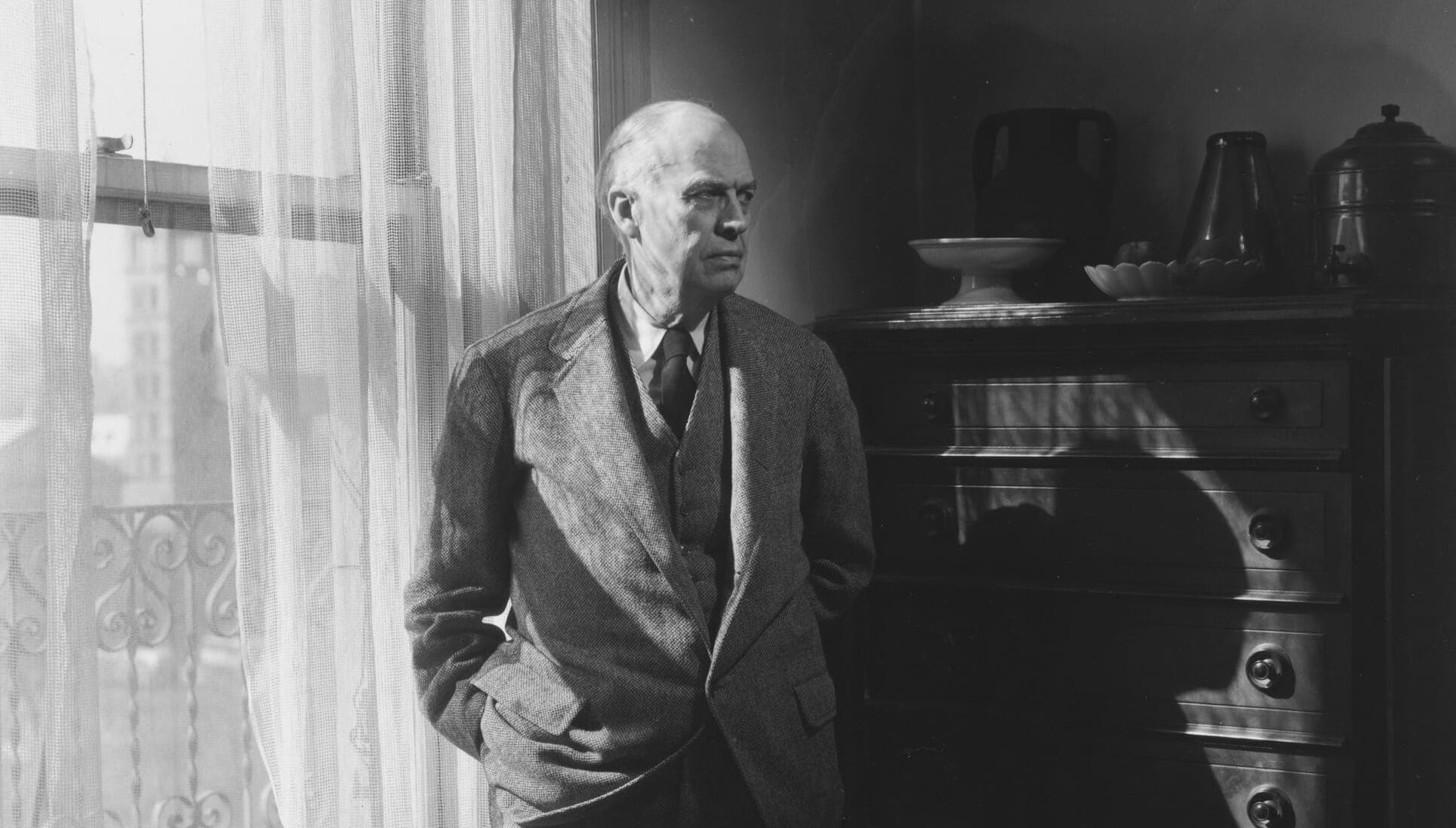
A new biography of American painter Edward Hopper draws on decades of unpublished diaries and personal records kept by his wife, Josephine Nivison Hopper, offering fresh insight into their turbulent marriage, artistic rivalry and the personal tensions that may have shaped some of his most famous works.
The book, based on 35 years of diaries, nearly 100 notebooks, correspondence and records of Hopper’s paintings, presents a more complicated picture of the artist, widely celebrated for his portrayals of solitude and American melancholy.
Josephine, known as Jo, was not only Hopper’s wife but also his artistic collaborator, model, curator and unofficial manager. Yet her private writings describe a relationship marked by emotional and physical abuse, sexual incompatibility and persistent professional rivalry. She also accused her husband of dismissing her work and showing little interest in supporting her career.
One of the most revealing aspects of the archive concerns Hopper’s repeated paintings of lighthouses, particularly the structures at Two Lights in Maine. Jo believed the buildings represented her husband’s own personality, describing them as self-portraits. She portrayed Hopper as a possessive and deeply self-centred man who identified with the isolated, imposing structures.
The lighthouse also reflected Hopper’s wider artistic and political outlook. Inspired by writers such as Walt Whitman and Ralph Waldo Emerson, he saw it as a symbol of American individualism and solitude. His depictions of New England landscapes and buildings also appealed to a nationalist cultural movement that promoted an idealised vision of the country’s Anglo-Saxon and colonial heritage.
The biography further examines how tensions within the marriage may have surfaced in Hopper’s paintings. In Four Lane Road, Jo saw the woman leaning out of a window as a hostile representation of herself. She also interpreted Excursion into Philosophy, which depicts a woman sitting on a bed beside an open book, as a reference to the couple’s unsatisfactory sex life.
Jo herself frequently modelled for her husband, including for the 1941 painting Girlie Show. But her notebooks reveal frustration at being treated as an object rather than an artistic collaborator. She recalled sitting nearly naked in a cold room while Hopper concentrated on the lighting rather than her discomfort.
Despite the difficult relationship, Hopper’s final oil painting, Two Comedians (1966), offered a different portrayal of the couple. Depicted as theatrical performers holding hands and bowing together, Edward and Jo appear as equal partners taking their final curtain call.
The newly examined material challenges the image of Hopper as an isolated artistic genius, highlighting the often-overlooked role of his wife in his career and raising questions about how much of their private life found its way into his work.



Be First to Comment