
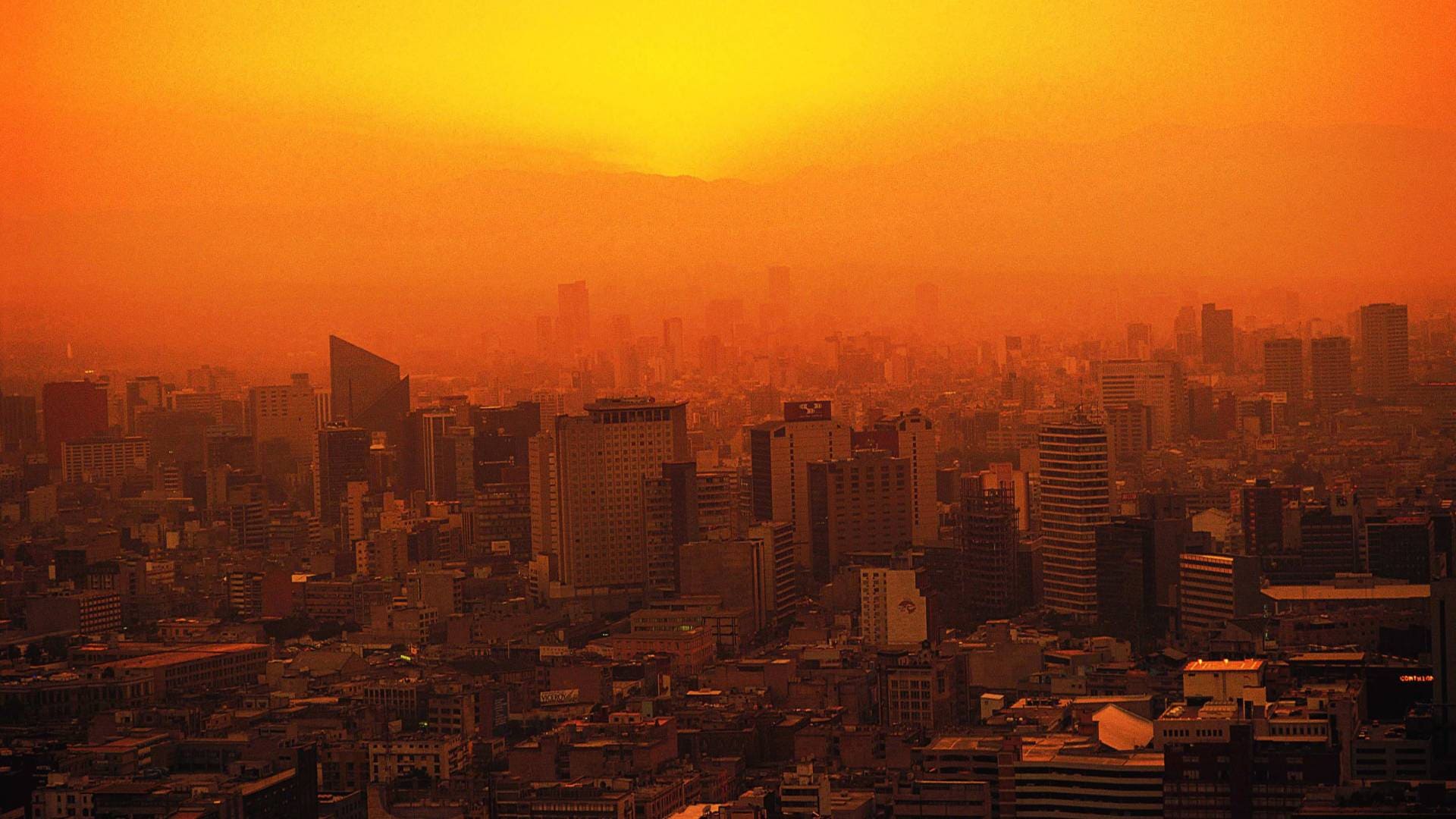
The World Meteorological Organization says 2026 is likely to be one of the four warmest years ever recorded, with an unusually strong El Niño developing over an already overheated planet. The warning comes as COP31 opens in Antalya, Türkiye, with scientists urging governments to accelerate emissions cuts.
Extreme heatwaves in Europe, devastating floods in Nepal, glacier collapse and record rainfall shortages in India have marked another year of severe climate impacts. According to the WMO’s latest State of the Global Climate bulletin, 2026 is part of a prolonged period of record temperatures, melting ice and rising sea levels.
Global average temperatures between January and September were approximately 1.47°C above pre-industrial levels. The figure is expected to increase further by the end of the year, partly due to El Niño, which is forecast to reach peak intensity in December.
The WMO says the 12-year period from 2015 to 2026 has been the warmest since records began in 1976, with the four most recent years occupying the top positions.
The European Union’s Copernicus Climate Change Service considers it almost certain that 2026 will become the second year on record to exceed 1.5°C of warming, after 2024. Its latest assessment gives an 80% probability of 2026 ranking second behind 2024, and a 20% chance that it will match or surpass that record.
El Niño adds to an already overheated planet
UN Secretary-General António Guterres said the world had entered a new era of climate extremes, warning that an unusually strong El Niño was colliding with a planet already overheated by human-driven climate change.
Hundreds of millions of people experienced extreme heat in 2026. In Europe alone, tens of thousands of deaths were attributed to summer heat.
WMO Secretary-General Celeste Saulo said the current El Niño event and the state of the global climate were redefining what could be considered extreme. El Niño does not create additional heat, she explained, but releases heat stored in the oceans, which have reached unprecedented levels of warmth.
Greenhouse gas concentrations reach new records
The WMO report also highlights the continued rise in greenhouse gas concentrations. Carbon dioxide levels reached approximately 426.8 parts per million in 2025, up from around 278 parts per million in 1750, representing an increase of 53%.
Methane concentrations rose by 167% over the same period. The agency warned that the Earth’s energy imbalance continues to grow as greenhouse gases trap unprecedented amounts of heat, causing the climate system to accumulate energy at an accelerating rate.
The findings are intended to provide policymakers with the latest scientific evidence as delegates gather for two weeks of negotiations at COP31. Limiting global warming to 1.5°C, the central ambition of the Paris Agreement, is increasingly unlikely without much more ambitious action.
Ocean warming and ice loss deepen the crisis
Oceans absorb more than 90% of the excess heat trapped by greenhouse gases. Their warming is contributing to damage to marine biodiversity and ecosystems, intensifying tropical and subtropical storms and accelerating the loss of polar sea ice.
Sea ice levels in both the Arctic and Antarctic were exceptionally low in 2026, while glaciers continued to lose mass at an alarming rate. More than 400 gigatonnes of glacier ice were lost in 2025 – equivalent to filling five Olympic-sized swimming pools every second throughout the year.
The consequences of global warming are also increasingly visible in mountainous regions. The September tragedy in the Himalayas and Nepal’s subsequent appeal for international assistance are expected to remain among the issues weighing on delegates at COP31.
Scientists call for faster emissions cuts
The WMO says limiting warming to around 1.7°C or 1.8°C by 2050, before bringing it back towards 1.5°C, will require a substantial acceleration in climate action.
Global greenhouse gas emissions would need to fall by 6% annually through 2035 to keep that pathway within reach.
The report’s message comes as governments face growing pressure to turn climate commitments into concrete action, with the latest data showing that the planet’s temperature, oceans and ice systems continue to break records.




Be First to Comment