
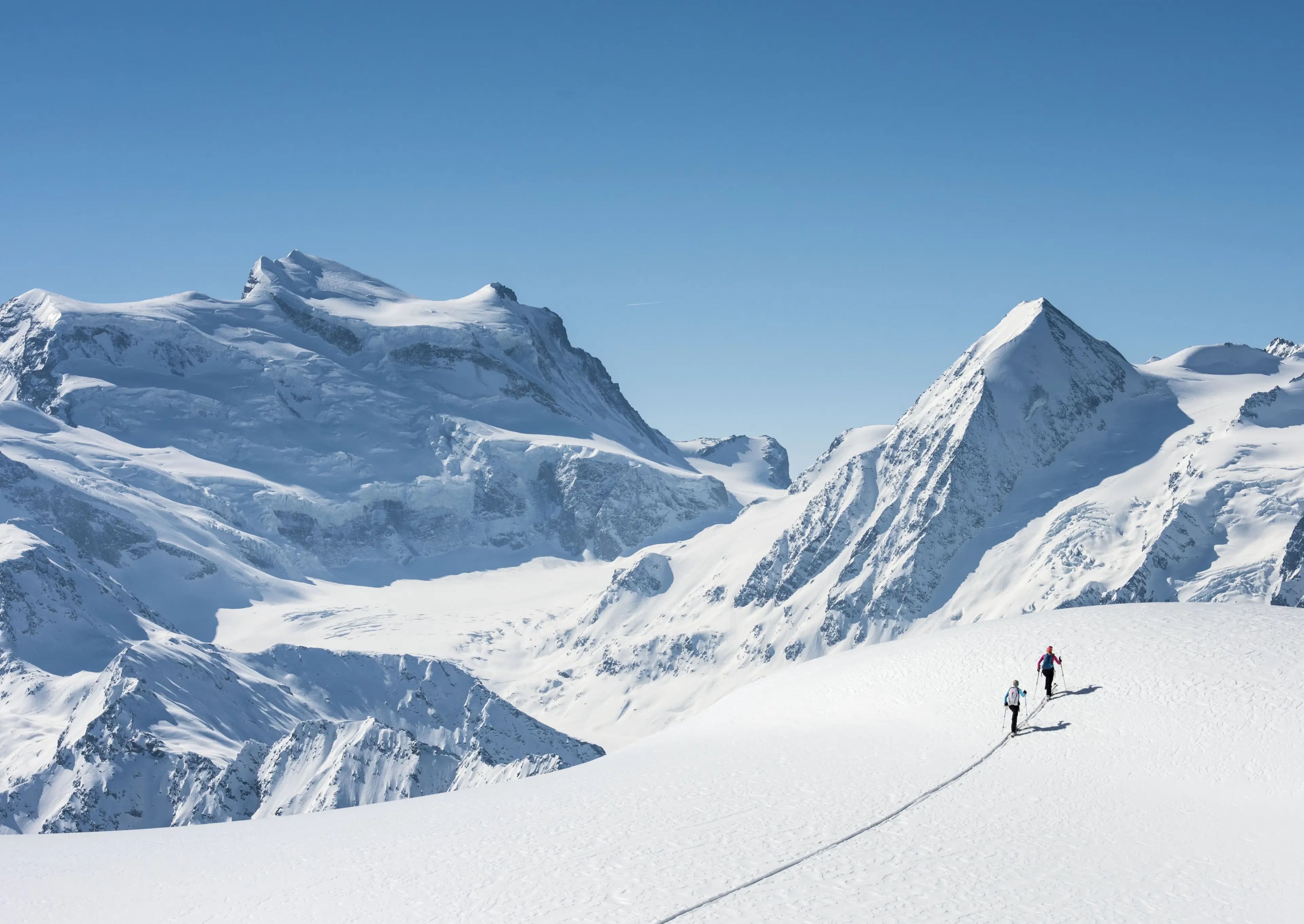
Global temperatures have risen by an average of 1.4°C since pre-industrial times, while the increase in the Alps has reached nearly 3°C. A new report warns that current climate policies could lead to global warming of 2.8°C by the end of the century, with devastating consequences for glaciers and polar ice sheets.
As the UN climate conference COP31 gets underway in Antalya, Türkiye, from 9 to 20 November, scientists are warning that the world is running out of time to prevent irreversible damage to the planet’s ice systems.
The International Cryosphere Climate Initiative (ICCI), a non-profit organisation based in Sweden and the United States, has published its latest annual assessment, State of the Cryosphere 2026, alongside a report titled Overshoot and the Cryosphere: Averting Global Meltdown.
The reports, prepared with contributions from dozens of specialists worldwide, examine the state of glaciers, seasonal snow cover, polar ice sheets, sea ice and permafrost. They warn that further delays in phasing out fossil fuels could trigger major and potentially irreversible changes to the Earth’s climate system.
Alpine glaciers face near-total loss
According to the assessment, current climate policies put the world on course for approximately 2.8°C of warming by 2100. Under such a scenario, almost all Alpine glaciers could disappear, with only remnants surviving at elevations above 4,000 metres on Mont Blanc and Monte Rosa.
The report also warns that the destabilisation of the Antarctic and Greenland ice sheets could eventually contribute to a sea-level rise of more than three metres over several centuries. Thawing permafrost could release vast additional quantities of greenhouse gases, while changes to ocean circulation and chemistry could severely affect marine ecosystems and weather patterns.
The consequences would extend to water security, with billions of people potentially facing growing pressure on freshwater resources. Scientists also warn of an increased risk of destructive events in glacial and periglacial regions.
Limiting warming could help glaciers recover
The world is now expected to exceed the 1.5°C warming threshold set by the 2015 Paris Agreement. Even under an ambitious climate action scenario, global temperatures could reach at least 1.7°C within the next two decades, the report says.
However, scientists argue that the most severe outcomes can still be avoided through a rapid transition away from fossil fuels and towards renewable energy. Reaching net-zero emissions by mid-century, alongside removing some of the greenhouse gases already accumulated in the atmosphere, could bring global warming back below 1.5°C in the second half of the century.
A further decline towards 1°C, or even lower, could be possible around 2150, according to the report. In such a scenario, some of the smaller Alpine glaciers could begin to recover, particularly at higher elevations.
The report cautions, however, that the effects of global warming would persist for centuries or even millennia. Oceans and polar ice sheets respond slowly to changes in atmospheric temperatures, meaning that ice loss and sea-level rise could continue long after emissions have been brought under control.
The ICCI is calling for faster decarbonisation, stressing that the scale of future damage will depend on how quickly governments act.
Its message for this year’s assessment is clear: “We cannot negotiate with the melting point of ice.”



Be First to Comment