
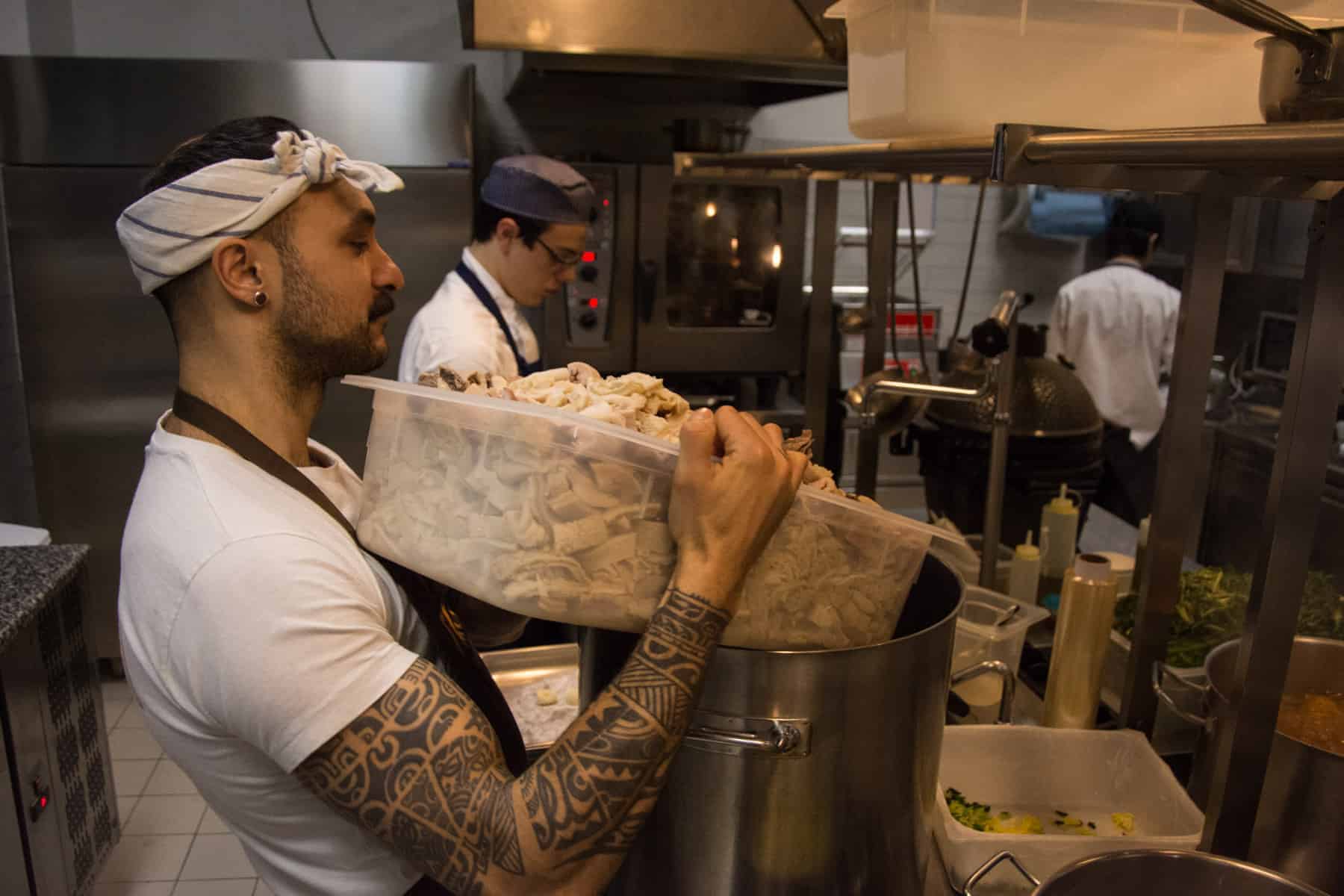
The decision by Diego Rossi, chef of Milan’s Trippa restaurant, to remove two of the dishes most popular with customers from the menu has sparked debate in Italy. The incident, discussed in a recent opinion column, has reignited criticism of chefs who are accused of distancing themselves from their customers and putting their own preferences first.
According to the column, Rossi has decided to stop serving vitello tonnato—veal served with a tuna-based sauce—and tagliatelle with butter and Parmesan, both of which have become signature dishes at the restaurant. The chef said he made the decision because customers were ordering only the popular dishes they had seen on social media and were unwilling to try anything else.
In a podcast appearance, Rossi recounted how two customers had come to the restaurant specifically to eat the tagliatelle they had repeatedly seen on social media, only to be disappointed when they were told the dish had sold out. The chef said the experience showed him that Instagram was shaping not only people’s preferences but also the way they experience things in advance.
In a statement shared on social media, the chef also said he was frustrated by customers coming to the restaurant simply to photograph and share the most popular dishes. “Let’s live with our own minds, not with those of others,” Rossi wrote. He said the two popular dishes had been removed from the menu to make room for new recipes.
The decision, however, has generated widespread debate in Italy. The author of the opinion column argued that restaurants exist to make their customers happy, criticizing the move by asking: “Can you imagine your neighborhood trattoria refusing to serve you its most famous dish simply so that you will try something else?”
The column argues that the essence of being a chef is to serve the customer, but that some chefs have gradually begun to put their own tastes, working habits and prestige ahead of their customers. Michelin stars and visibility on social media are said to have reinforced this approach in particular.
The writer also criticized Trippa’s reservation system for its strict rules, arguing that customers might be better off choosing neighborhood restaurants that are more welcoming and accessible.






Be First to Comment