
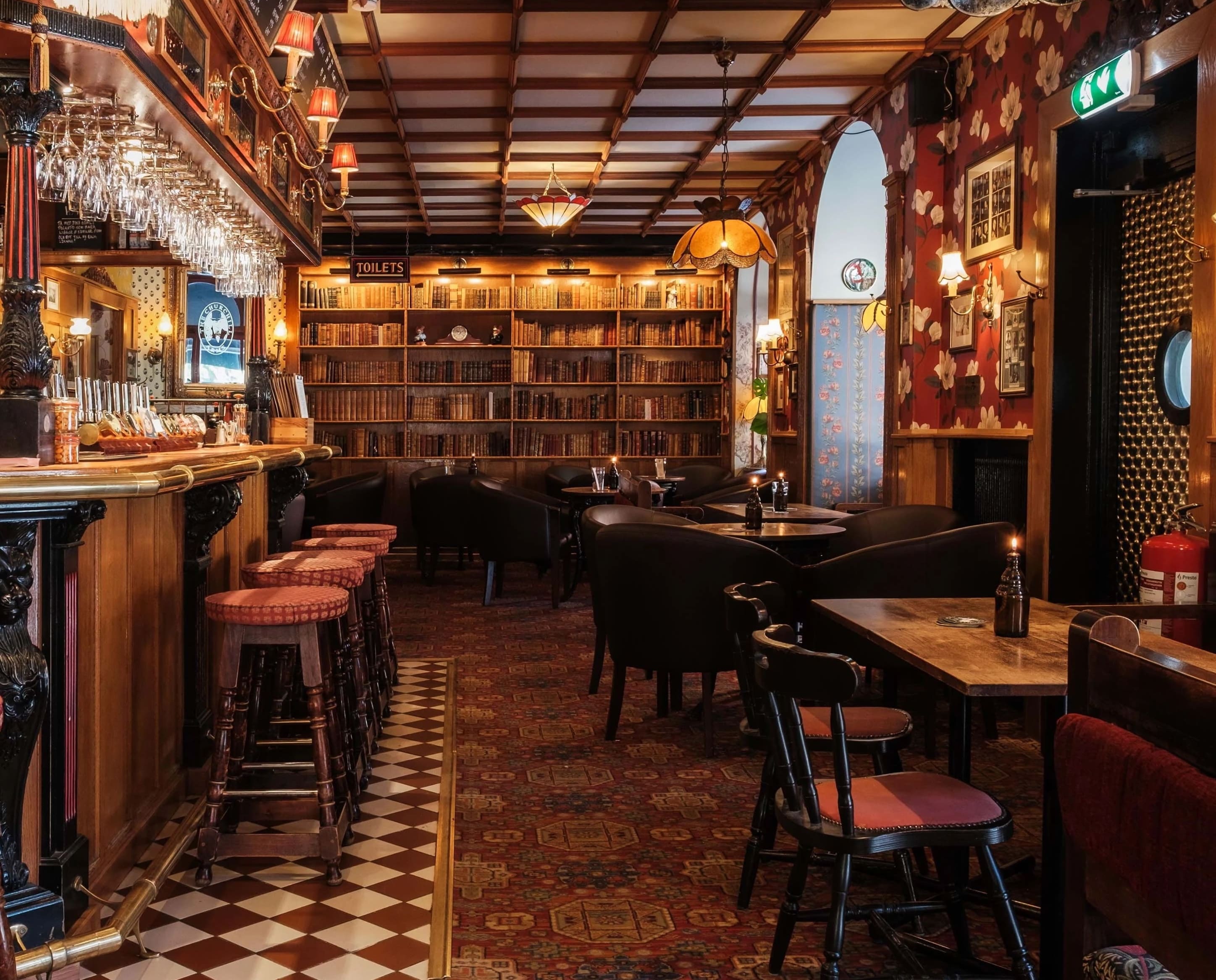
Around 30 pubs across London combine traditional British and Irish drinking culture with Thai cuisine. Known as “Thai-rish pubs”, the unusual pairing dates back to 1988 and reflects decades of migration, changing tastes and Thailand’s efforts to promote its food culture internationally.
A pint of Irish beer and a plate of pad thai may seem like an unlikely combination, but in London the pairing has become part of the city’s culinary identity.
Known as Thai-rish pubs, these establishments bring together traditional British and Irish pubs with Thai restaurants, often tucked away in a separate room, upstairs or behind the main bar. Around 30 such venues are spread across the capital.
The story began in 1988 at the Churchill Arms in Kensington, when Irish pub owner Gerry O’Brien decided to rethink the venue’s limited food offering.
The Churchill Arms started the trend
During the 1980s, many London pubs offered little beyond fish and chips, toast and baked potatoes. Meanwhile, growing numbers of British travellers returning from Thailand were developing a taste for the country’s distinctive cuisine.
O’Brien, who had taken over the Churchill Arms in 1985, responded to this changing demand by bringing Thai chef Songkot Boonyasarayon into the pub’s kitchen in the summer of 1988.
The move quickly proved successful. Customers began queuing outside to try dishes including pad kee mao, pad ped and pad thai.
The Churchill Arms, which dates back to 1750, became the pioneer of a format that would gradually spread across London.
How Thailand turned food into diplomacy
The international popularity of Thai cuisine received another boost in 2000, when Thailand launched its Global Thai programme.
The initiative, introduced under Prime Minister Thaksin Shinawatra, sought to improve the country’s international image and promote Thai food as a global cultural export.
The government allocated around $15 million annually to support the international expansion of Thai products and restaurants.
According to the figures cited in the original report, the number of Thai restaurants worldwide increased from approximately 5,500 in 2001 to 18,900 in 2025.
The programme became an early example of what is now known as gastrodiplomacy: using national cuisine to strengthen a country’s international profile.
Four London pubs keeping the tradition alive
Several venues across London continue to combine pub traditions with Thai cooking.
– The Churchill Arms – Kensington: The original pioneer, known for its flower-covered exterior and Thai restaurant hidden behind the traditional pub interior.
– The Cocoanut – Kingston upon Thames: A long-established pub and Thai food destination, reportedly popular with actor Tom Holland and his family.
– The Kings Arms – Ealing: A historic coaching inn serving traditional pub food alongside Thai dishes.
– The Heron – Paddington: A traditional pub upstairs, with the Thai Zapp restaurant downstairs, offering particularly spicy Thai dishes.
What began as an experiment to diversify a pub’s food menu has evolved into a distinctive part of London’s multicultural food scene. The Thai-rish pub phenomenon shows how migration, tourism and cultural exchange can create unexpected culinary traditions that endure for decades.





Be First to Comment